Wednesday, April 25, 2012

'Elsewhere' - Pam Tanner


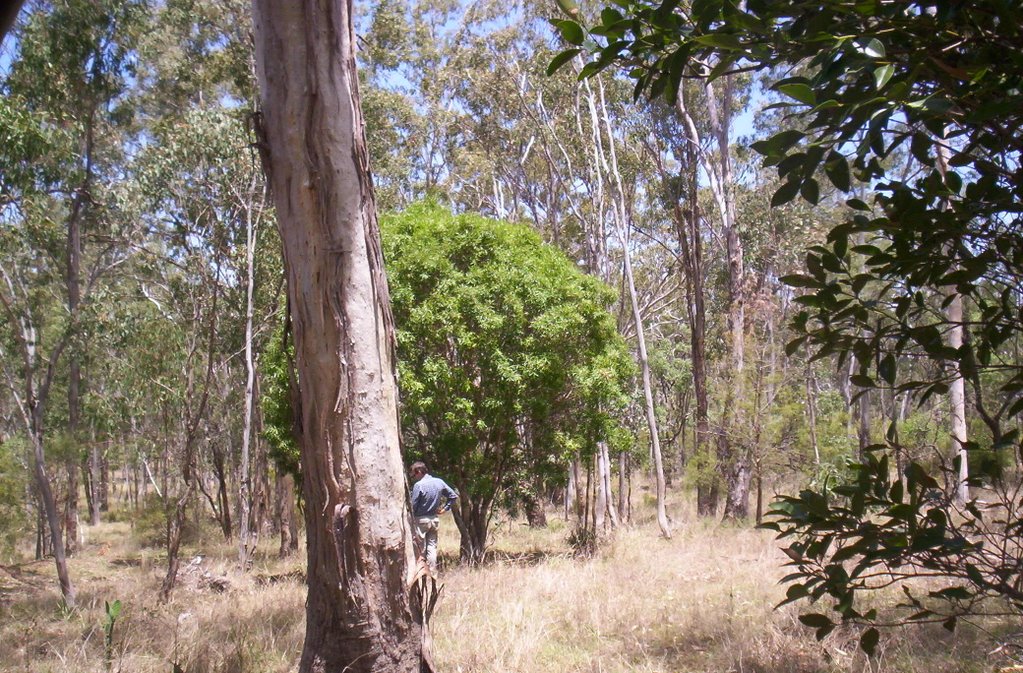
Our native garden covers about one acre of a two-acre block with beautiful red soil at Beecher.

The property slopes downhill from West to East.  When we purchased it the whole area had been burnt off leaving only the bigger Eucalypts, Acacias and Xanthorrhoeas.  A section in front of the house was covered in black plastic held down by small unattractive local stones and had a HUGE cactus growing in the middle. Another small garden was planted with “mother of millions”!!

For 27 years I have labored with determination and love. I have marked out areas for gardens, covered them with thick layers of overlapping wet newspaper and mulched them heavily.  I dug holes and planted first the larger trees and later the understory trees and shrubs.  Most of these I have grown myself from seeds or cuttings that I begged or stole from long-suffering friend’s nurseries. As much as possible, I planted indigenous natives.

The garden has grown to the point where it has become self-mulching with a deep layer of leaf litter. This has its down side as a bush turkey has read the “Land for Wildlife” sign at the front gate and has built his nest right in the centre of one of the large gardens still having its understory planted. He has cleared a very large area around his nest, taking no care with anything in his way, and takes great delight in digging out any recent plantings all over the garden, and even half the plants in the nursery.

Rough paths, mainly for access for the wheelbarrow, wind around the beds; but I enjoy just wandering through the beds as you do in the bush. Grass areas are kept to a minimum and these are never watered. The garden itself is only watered when plants are very new or stressed as we are not on town water.


Usually I don’t enter the local garden competition, but last year the garden was looking so good I entered on the spur of the moment. I regretted it as soon as I had, so I was overjoyed when it was announced winner of both the Native and Acreage Gardens awards.  Then that excitement was crowned when it also won Reserve Champion - the first time a native garden has ever come anywhere near winning the major prize.  Now I think I can just rest on my laurels and just enjoy my bit of bush.

Pam Tanner
20.04.12  

SGAP Gladstone Branch - 2012 Program

Below is a list of excursions and activities planned for 2012.


Visitors are welcome to attend up to three excursions before becoming a branch member.


Please register with Ruth Crosson on 4972 1447 for any excursions you would like to attend.

Participants are asked to bring a first-aid kit, food and drinking water and ensure that they have sufficient petrol for the day. Remember to bring your camera and a notebook.

Species lists are available for some areas by pre ordering by the Friday preceding the excursion.

Date
Location
Notes

2012

Jan Sun 15

Tondoon Botanic Gardens

10am Meet at BG’s Café Tondoon. Membership due. $5.00 Family or single. Order lunch.
10:30 Walk around Tondoon, check progress.
12:30 Lunch at BG’s. Raffle.
1:30 to 2:30 Guest Speaker in Visitor’s Centre
2:30 Meeting and AGM

Feb Sun 12
Mt Rollo Excursion
Steep gully
9am meet in front car park outside Tondoon front gate.
Travel to Mt Rollo, about 4 kms. Lunch may be late when we get back to parked cars.

Mar Sun 4
Clean up Australia day
8:30am Registrations at shelter shed at Canoe Point.
Brings sacks, though some will be provided. Bring gloves and drinking water.
We clean up a large area in Tannum and Boyne Island.
Lunch follows end of clean up, at about 11:30am

Apr Sun 15
Blackman’s Creek, Boyne Valley area.

8:30am  Meet  at Calliope Crossroads Service Station. Cars okay. BYO lunch. Leader is Brent

May Sun 20
Four Mile Scrub, Boyne Valley Road
8:30am Meet at Calliope Crossroads Service Station. BYO Lunch

Jun Sun 3
EcoFest at Tondoon
Set up Sat 2pm.  Sun from 8-am. Golding’s Tent usual area.

Jun Sun 17

State Forest 207 Targinnie

Some dirt road surfaces. Scrub areas. Brent leader. BYO lunch

Jun 17


Meet at junction of Yarwun, Targinne Roads on Port Curtis Way 9am. Travel convoy.

Jul Sun 15
“Shirley “ A property in Miriam Vale area
Scrub creek and high hill exc. BYO lunch in
backpack. Meet 9 am in car park behind Visitor’s Information Centre Roe St. Miriam Vale. Cars okay. Dirt road surfaces. Travel in convoy.

Aug Sun 12

Round Hill headland and Old Nursery Botanic Garden. Agnes Water area
Meet 9am in car park behind Visitor’s Information Centre, Roe St. Miriam Vale
Convoy to headland.  Afternoon excursion to ID species at the scrub area at Old Nursery

Sep Sun 9
Spring Creek or other. Mt Larcom area.
Scrub exc. Meet 9am at junction of Yarwun, Targinnie Rds. On Port Curtis way. Dirt surfaces, Cars okay. BYO lunch. Brent leader.

Oct Sun
CBC  / Observer Garden tours
By coach. Bookings essential.
Nov Sun 18
Garden visit to winner of CBC Large garden 2011
Kilmister’s at 22 Cathurbie St. Emmadale,
New Auckland, West Gladstone. Arrive 10 am for tour. Lunch BYO noon to 1 pm.

Dec Sun 9
BBQ Breakfast BYO  at Tondoon arboretum area
9am.A walk will follow.
2013
Jan Sun 13
Tondoon Botanic Gardens
Meet 10 am at BG’s Café, Tondoon. Memberships $5-00. 10-30 am walk. Lunch 12-30.
1:30 pm Guest Speaker, Visitors Centre. Meeting & AGM 2:30 till 3:30.

Feb Sun 17
Garden Visit to Winner of Native Garden, Acreage Garden and Reserve Champion Garden
Meet at Tanners Property “ Elsewhere” Siding Road Beecher. Arrive at 10 am for guided tour with hosts Pam and Chris.  BYO lunch.

Mar Sun 3
Cleanup Australia Day
Canoe Point Tannum  meet 8:30 am to Register at shed on left.


Friday, November 18, 2011

Useful Link:
The Atlas of Living Australia
Nearly every species is shown with photograph, distribution map and description.

www.ala.org.au

Tuesday, June 21, 2011

New Land for Wildlife Notes
Download from: www.seqcatchments.com.au/LFW.html
The Creek in our backyard: A practical guide for landholders

Download the free booklet from: www.saveourwaterwaysnow.com.au

Tuesday, May 10, 2011

Saturday, January 15, 2011

2011 excursion schedule
Note that the dates for the CBC garden Awards have been changed and will now be held from 4th to 7th October.
Click on each image and it should open in a new window where you can zoom in to view the details or print it out.


Monday, February 08, 2010

Below is the list of excursions for 2010. Click on the image and it should open in a new window and you can make the text bigger.


Friday, February 13, 2009

Cool Links

the following link is for an article on creating a butterfly garden using native plants.
  • butterflies

  • and see this:
  • more butterfies


  • and a free on-line gardening magazine
  • Global Garden
  • Below is the list of excursions for 2008. Click on the image and it should open in a new window and you can make the text bigger.


    Design with Nature - Planning a Native Garden
    Excerpts from the PowerPoint presentation prepared by Lawrie Smith landscape architect providing a check list of the principal aspects to be considered in the landscape planning, design and plant selection for your home garden.


    FIRST . . .
    Record the physical characteristics of your garden whether new or under rehabilitation
    Prepare a layout plan showing the size and shape of your block . . .
    • Most important – locate north!
    • Indicate the slopes and levels
    • Indicate the on-site & adjacent structures
    • Show the underground and overhead services
    • Define the landform, rock & soil patterns
    • Locate existing vegetation for preservation

    SECOND . . .
    Get to know your site and its surrounds, personally
    Illustrate on the layout plan the physical and microclimate impacts . . .
    • Most important – locate north!
    • Assess the patterns of sunshine and shadow
    • Identify the effects of storm, wind, breeze
    • Identify the effects of rainfall and water runoff
    • Identify the positive and negative views
    • Assess the quality of the soils & sub-soils
    • Identify existing vegetation for preservation, transplant or removal

    THIRD. . .
    Indentify your principal family needs & functions
    Define on plan how YOU want to use the garden . . .
    • Assess your budget, priorities & available time
    • Plan for interesting arrival & first impressions
    • Identify vehicle circulation requirements
    • Plan functional & interesting access pathways
    • Define and locate areas for outdoor living activities
    • Plan for children’s play facilities
    • Identify areas for work activities in the garden
    Don’t forget – a garden is an artistic creation that evolves over time

    FOURTH. . .
    Choose a style & theme for your garden
    Your preferred garden character will influence the site planning & plant selection.
    Is your garden to be . . .
    • Formal, informal, traditional, contemporary or for seasonal horticultural display?
    • Reflect the architectural style of the house?
    • Exciting fusion of plants and materials
    • Bush garden, rainforest, coastal, cottage or ?
    • Collectors, scientific, experimental?
    • ‘Walkabout’ or stroll garden?
    • New fresh and uniquely Australian!
    • Fundamentally simple, livable & affordable

    FIFTH . . .
    Now you are ready to select plants for your garden
    Each plant has differing attributes . . .
    • What is it? – tree, shrub, cover, vine, fern, palm or ?
    • Where is it from?
    • What conditions does it prefer?
    • How big does it grow in nature?
    • Does it adapt to horticultural techniques?
    • Have you seen it thriving nearby?
    • What is its most prominent feature – form, foliage, flowers, fruits, bark or ?
    • Where are the most flowers and colourful foliage displayed & when?

    LISTEN TO THE PLANTS!
    To help you select the right species
    They can tell you about themselves . . .
    • Large leaves = shade tolerance
    • Small leaves = sun preference
    • Thick & waxy leaves = store water for later (water wise)
    • Swollen trunk = store water (drought tolerant)
    • Ligno tubers = fire resistance
    • Aromatic = insect resistance
    • Massive seed production = weed potential
    • Grey & silver leaves = sun tolerant & salt resistant
    • Delicate leaves = moisture stress indicator
    • Thorns & spines = wildlife protection & habitat

    TREES
    Trees have a variety of characteristics and functions
    • Evergreen or deciduous
    • Consider root systems
    • Diverse forms: globular, upright, umbrella, irregular, weeping, conical, etc
    • Specimen tree as a feature or focus element: form, foliage, bark, flower , fruit or fragrance
    • Shade tree locate to control sunshine and shadow
    • Multi planted as a grove, forest or windbreak

    PALMS & CYCADS
    Palm fronds add a special & unique character to a garden
    • Size: tall, medium, low
    • Self cleaning or persistent fronds
    • Feather frond or palmate frond
    • Individual specimens
    • Formal avenues
    • Informal groves

    SHRUBS
    Shrubs fulfill some important design functions . . .
    • Size: tall, medium, low
    • Screens & hedges: privacy, conceal, windbreak, filter breeze,
    • Feature: form, foliage, flower, fruit, fragrance
    • Shrubbery: foliage contrast, water zone
    • Aesthetic: colour, texture,

    GROUNDCOVERS
    Covers are diverse in colour, texture and form as well as functionally and structurally useful . . .
    • Dwarf shrubs, mattes, tufts, vines, scramblers, grasses, ferns,
    • Erosion control
    • Living mulch
    • Feature plants, seasonal colour

    VINES & SCRAMBLERS
    Vines are functionally and structurally useful . . .
    • Select & locate to maximize flower display – over canopy, under canopy, along stems
    • Shade & shelter: pergola and arbours
    • Softening: fence, walls,
    • Maintenance: pruning, woody, fire, tree damage


    FIVE BASIC PLANTING TECHNIQUES FOR ANY AUSSIE GARDEN
    WATER WISE GARDEN DESIGN ISSUES

    1. Garden Layout & Maintenance - to simplify & minimise water application;
    • Group plants with similar water needs together - Hydrozoning
    • Shallow regular watering (unwise) – encourages roots to remain in the drier upper soil levels
    • Deep soaking watering less often (wise) – draws roots down to permanent reserves of subsoil moisture
    • Apply water deep down in the root zone through a slotted tube (wise) – to replenish subsoil reserves of moisture

    2. Soil – aeration, fertility, additives;
    • Amend soil texture to improve water absorption and aeration – add sand and organic material;
    • Use additives to lock applied moisture into soil so it is progressively available to plants;
    • Do not over fertilize and promote soft new growth – can you supply enough water to keep the plant alive?

    3. Exposure - sun or shade, air movement;
    • Reduce exposure to sun and minimise moisture loss through transpiration
    • Utilize available shade from house or trees to insulate plants from drying sun
    • Protect plants from excessive air movement to inhibit loss of moisture from foliage
    • Plant windbreaks and water-efficient shade trees to create cool shaded conditions

    4. Landform - water runoff & harvesting;
    • Form suitable landform to collect surface water to absorb into subsoil and minimise runoff

    5. Insulate the garden against the sun
    • Mulch; Mulch; Mulch;
    • A minimum of 100mm of mulch will insulate the soil like a blanket and conserve applied moisture


    Choose & use Australian Native Plants
    a basic element for landscape design

    Thursday, August 28, 2008

    Australian Native Seeds in Space

    Follow this link to an interesting recent article in Gumnuts
  • Australian Native Seeds in Space
  • Monday, February 18, 2008

    Excursions and Meetings Program 2008
    Please register for all excursions

    Sun 2 March Meet 8am at Canoe Point, Tannum Sands, Clean up rubbish in the area of bushland, parkland, beach and river, sports fields. BYO Lunch. Visit the Wetlands, view tree planting, bird spotting. 2pm meet at Tannum Nursery, about 3 relocate to Esplanade, walk along paths, survey landscaping of area, afternoon tea.

    Sun 13 April Meet 9am at front carpark Tondoon. Travel 7 km to property of Keith and Vicky. Walk in bushland & visit scrub. BYO food for all day.

    Sun 4 May Meet 10am in Siding Road, Beecher. Look for balloons and SGAP, indicating where to turn in to property of Tom and Paula. This is a second acreage property which joins Beecher State Forest. Compile species list. BYO lunch. Bird spotting.

    Sun 1 June Ecofest at Tondoon. Family day lots of entertainment. SGAP will have a display, book and plant sale. Set up from 7:30am.

    Sun 8 June Meet 9am Gardens cafe Tondoon. Visit by SGAPS with Lawrie Smith - this is buy at cafe or BYO lunch. Walk around Tondoon with Lawrie and Brent.

    Sun 20 July Meet 9:45am at Lt Larcom Cafe. Raglan Street Mt Larcom. Lyn Field's bush tucker morning tea. Billy tea and damper, $5.00. Display and talk on Bush Tucker by Lyn. Bring specimens. 11am we move to Scrub Creek with Bev or Cheryl. BYO Lunch and afternoon tea.

    Sun 17 August Meet 9am Road House on Fingerboard Ropad, on your right on rise. Leave Gladstone by 7:45 am to be on time. Meet George and Glenis. Travel in sedan ok, need full fuel tank. We will visit Round Hill National Park - rainforest. May visit other vegetation in area.

    Thur ?? September Meet the judge night - dinner and speaker

    Sun ?? September Meet 9am garden awards

    Sun ?? September Meet at pickup for coach tour of prize gardens. Bookings essential with Secretary of Civic Beautification Committee 4978 1957

    September CANCELLED Qld State conference at Kingaroy

    Sun 19 October Meet 9am at Rest Stop, Raglan Street, Mt Larcom. Travel in convoy to view scrub. BYO food for all day.

    Sat 25 October Meet 6pm Tondoon 20th Anniversary dinner, charge applies. Bookings - Tondoon 4971 4444.

    Sun 16 November Meet 9am at fishing carpark on the south side of the Calliope River, just past the Power Station. Excursion to Wiggins Island - mangroves and other vegetation. BYO insect repelleant and food, all day.

    Sun 14 December Meet 10am at 230 Morcom Street, Calliope - visit 5000 trees planted by John in the past 3 years. BYO lunch.

    Sun 18 January Meet 10am at Gardens Cafe Tondoon. Morning Tea. Pay membership 2009 $5.00. Walk around Tondoon. Lunch 12pm to 1pm. Meeting follows 2pm to 3.30pm. AGM - appoint 3 officers for 2009.

    Sunday 15 February Meet 10am at Kiosk on left in Spinnaker Park Gladstone. Morning tea. Look at landscaping and compile species list as we walk around the trails. Lunch 12 to 1pm in shelter ? Relocate to the Parkland Marina Soundshell area. Walk along bank of Auckland Creek. Compile mangroves list, from mouth to past University. You might see rabbits.

    Sunday 1 March Meet 8am at Canoe Point - Clean Up Australia Day BYO Lunch. Afternoon, look at revegetation of dune around area, by coast care group.

    Monday, June 25, 2007

    Cool link:
    Pteridophytes: The ferns and their allies
  • ferns
  • Sunday, June 10, 2007

    BOOK FOR SALE - $11
    The Society for Growing Australian Plants Queensland Region Inc
    1957 to 2007
    50 years of Knowing and Growing Australian Plants.
    by Jan Sked

    Ruth has 9 of these to sell. A comprehensive history and a trip down memory lane!

    Friday, May 11, 2007

    Interesting Links:

    The May 2007 ABC 'Gardening Australia' has a large supplement by NGIA (the Nursery and Garden Industry Association) and they feature plans for an Aussie Kitchen Garden - see link:
  • Aussie Kitchen Garden


  • The following is a Victoria based site for sustainable gardens - you can subscribe free to their monthly on-line magazine:
  • magazine


  • This site also has ideas for a native garden:
  • Native Plants
  • Sunday, February 18, 2007

    SGAP Gladstone Calendar:
    Thursday 1 March:
    Meet 2pm at Tondoon Visitors - set up display

    Sunday 4 March:
    Clean up Australia Day, meet 8 am at Canoe Point
    1pm Garden visit at Pacific Ranch
    2:30pm bushland visit

    Sunday 8 April:
    Property visit - "Stowe Park" - Calliope
    Meet 8:45am in front of hall, Stirrat St, Calliope
    Biodynamics talk

    Sunday 20 May:
    Meet 9am at Benaraby Service Station
    Travel to Turkey Beach, Bush walk of 1 and a half Km.

    Sunday 3 June:
    Ecofest at Tondoon Gardens
    Set up 4pm Sat and from 7am Sunday
    Bush Tucker display and walk by Lyn Field

    Sat 9, 10, 11, June:
    50th anniversary of SGAP Qld at Brisbane.
    Dinner, garden visits, history of SGAP book launch

    Sunday 24 June:
    Meet 10am at Tondoon Gardens (Admin area)
    Propogation workshop and guest speaker.

    Sunday 8 July:
    Meet at 9am at Visitors Information Centre, Miriam Vale.
    Travel to a property in the area (full fuel tank required)

    Sunday 19 August:
    Meet at 9am at Road House on Agnes Water and Fingerboard Rd
    Travel to Deepwater property. Camping overnight on Saturday available (BYO everything)
    Full fuel tank required

    September (Date to be announced)
    Garden awards - Judges dinner, talk and morning tea, coach tour of winning gardens - book early!!

    Sunday 18 Oct
    Meet at 22 Cathurbie Crt, New Auckland. Garden visit (winner of Novice garden 2006)

    Sunday 19 Nov
    Meet at 10am at Tondoon Gardens (admin). Visit to extra land aquired for Tondoon extension. Bird spotting, creek and eucalypt woodland

    Sunday 9 Dec
    Meet at 10am at Lake Awoonga for break up. Talks, weed spotting, lunch.

    Sunday, February 11, 2007

    Waterwise articles:

    "Effective watering in the garden" - by Keith Townsend

    This is an excellent article on pages 4 - 5 of the Land for Wildlife newsletter (see link below)

    "Waterwise and Waterless gardens" - by Merv Hodge

    Also an excellent article on pages 6 - 7 of the same newsletter (see link below)

  • Land for Wildlife Queensland Summer 2007
  • Wednesday, November 15, 2006

    Kroombit Tops excursion
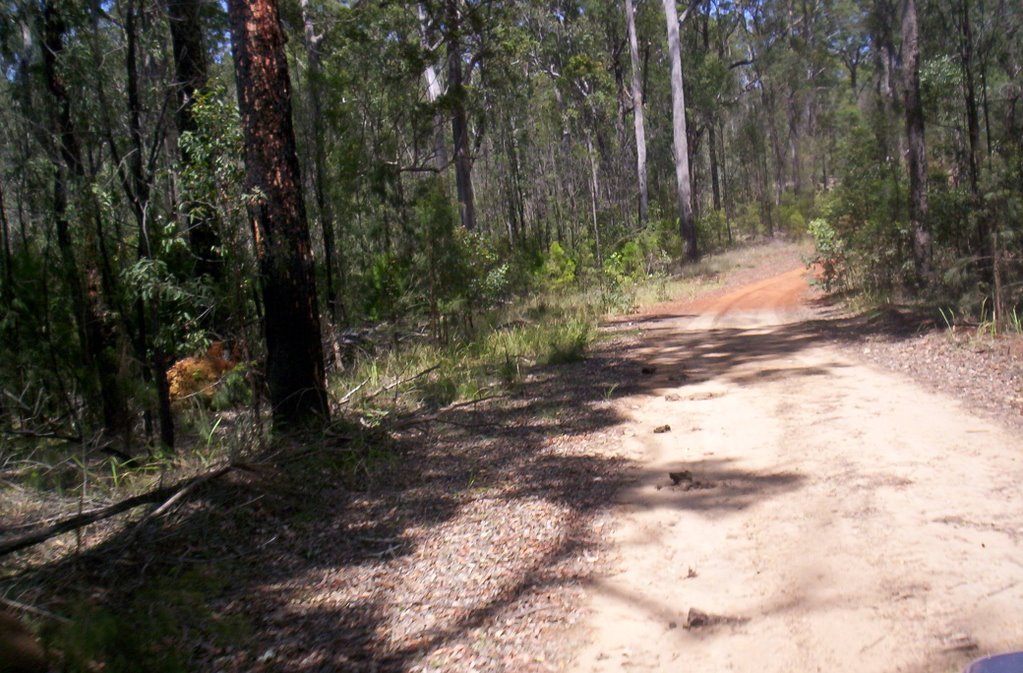
    Members met at 7:30am for the two hour trip to Kroombit Tops National Park. Those who owned 4WD vehicles offered spare seats to other members as the track can be rough and muddy.


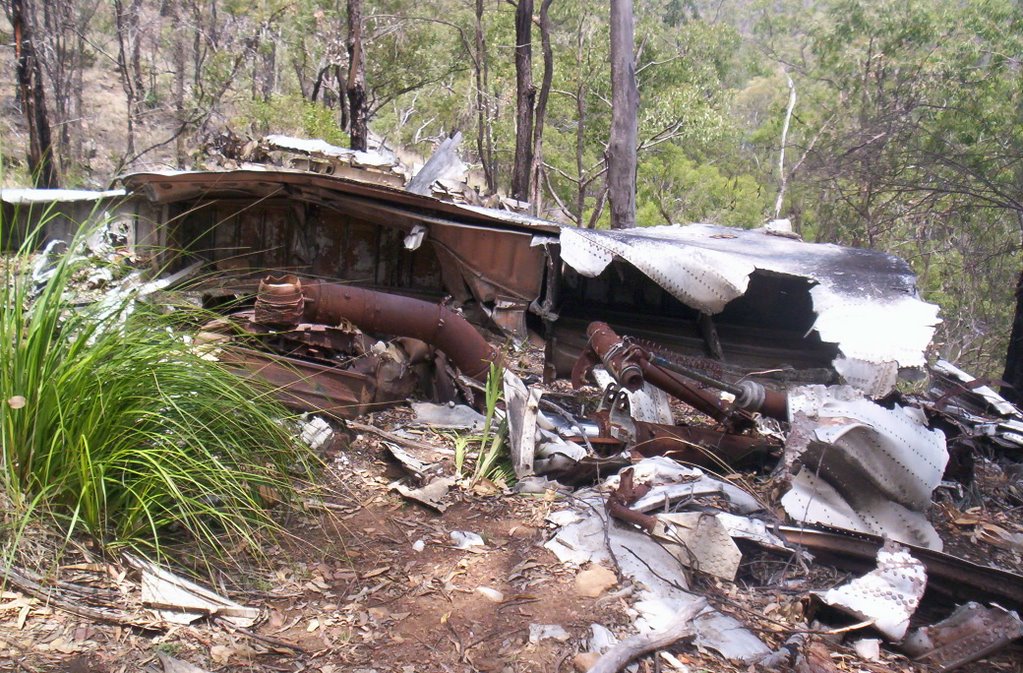
    A brief stop at around 9:30am to meet up with other members who had camped overnight, and we were off again to the site of the 'Beautiful Betsy' crash. This took about 2 hours and soil and vegetation changed quite dramatically at times.


    At the crash site, there was excellent signage, and a surprising amount of wreckage scattered around.


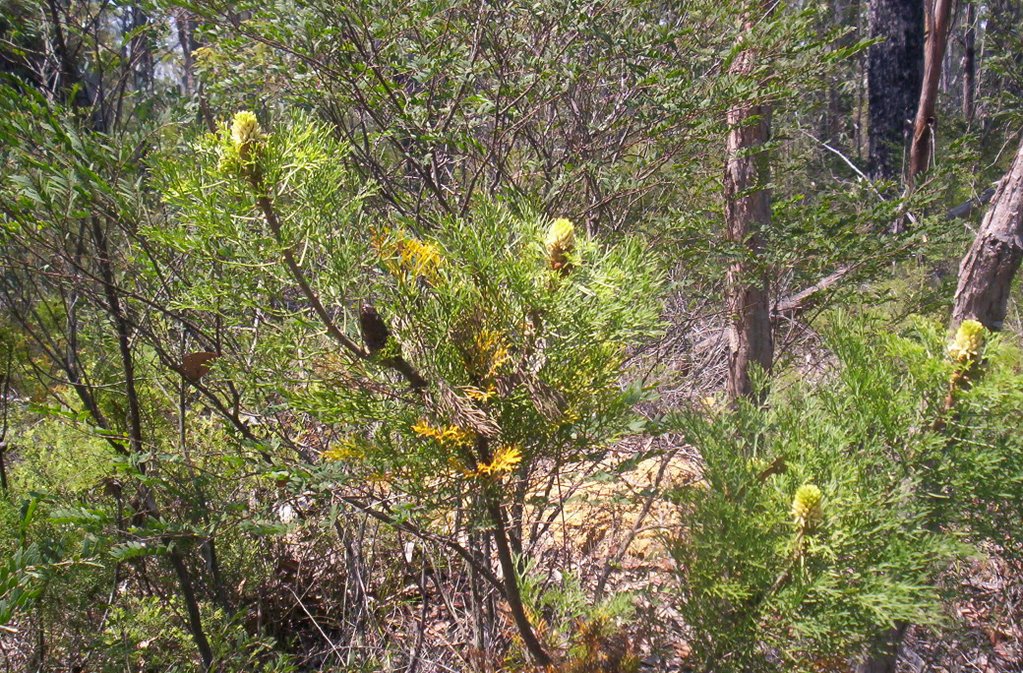
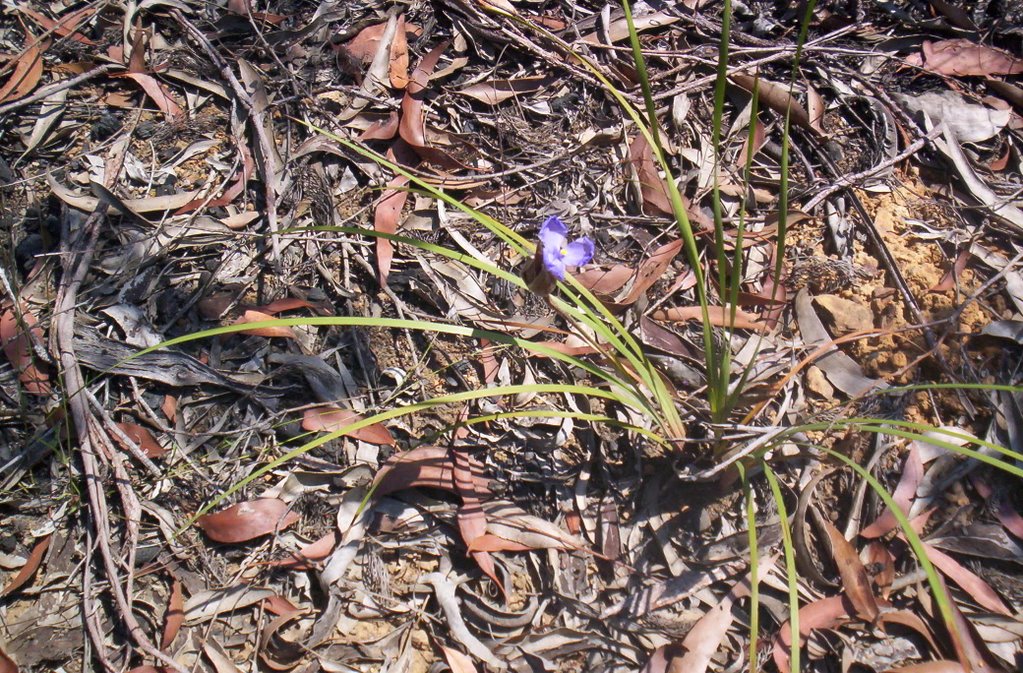
    After lunch, members stopped at a heath community and identified a number of plants.


    Tomas found some interesting leaves!


    This pretty little tree is OLACEAE Notelaea microcarpa


    After a long hot and dusty drive, members were glad of the cool breeze, amazing view and afternoon tea at the Kroombit lookout.